Northern Tanzania · 610m Deep · 264 km² · The 8th Wonder
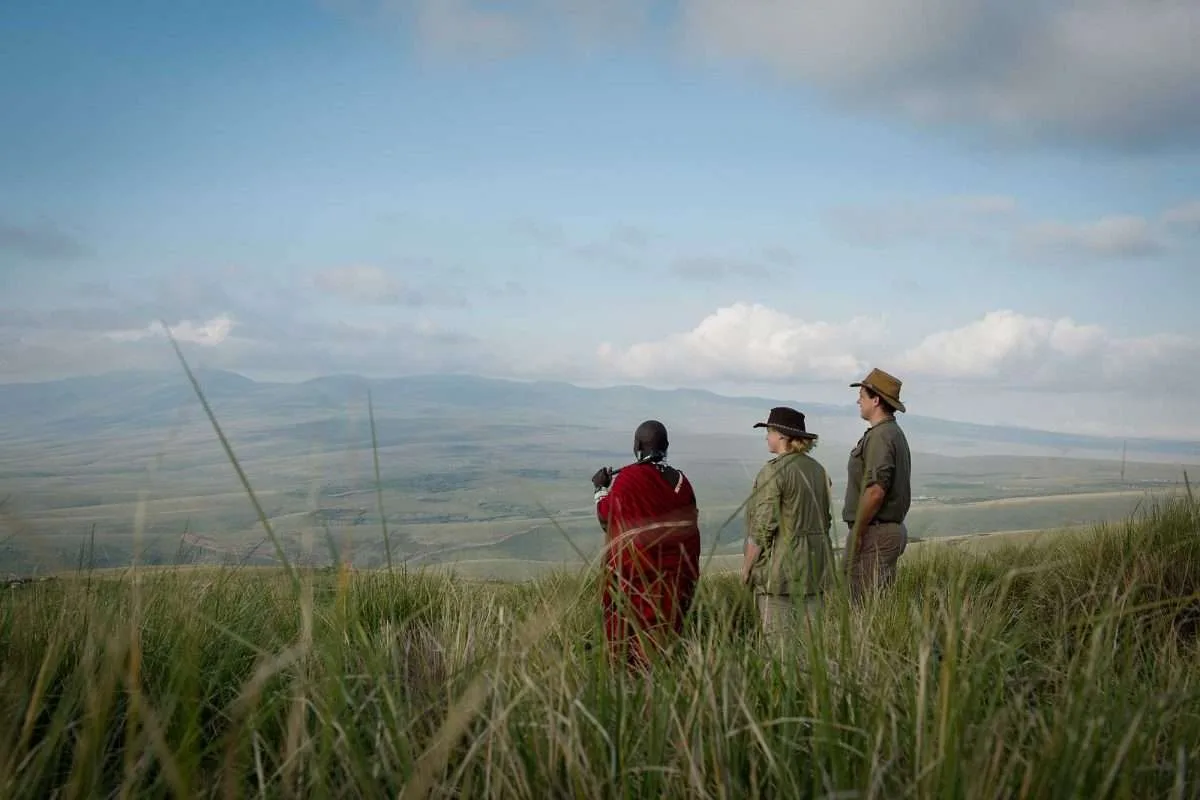
The Ngorongoro Crater is the world's largest intact volcanic caldera — a self-contained natural amphitheatre 610 metres deep and 264 square kilometres across, home to one of the most remarkable concentrations of wildlife on the planet. Some 25,000 large animals live permanently within the crater, including the highest density of lions in Africa and some of Tanzania's last remaining black rhino.
The crater formed approximately 2.5 million years ago when a massive volcano — estimated to have been taller than Kilimanjaro — collapsed inward after a catastrophic eruption. The steep walls have created an enclosed ecosystem largely self-sustaining, with a soda lake, freshwater springs, open grassland, acacia woodland and swamp all within the crater floor. The rim stands at 2,286 metres, offering dramatic views of the entire crater.
The Ngorongoro Conservation Area that surrounds the crater is also notable for Olduvai Gorge — the 'Cradle of Mankind', where Louis and Mary Leakey discovered some of the earliest known human ancestors (Homo habilis and Australopithecus) in the 1950s and 60s. A visit to the excavation sites and museum adds a profound dimension to any Ngorongoro experience.
The crater's enclosed ecosystem means wildlife cannot emigrate — concentrations are extraordinary. A single day's drive covers all major ecosystems and almost always delivers Big Five sightings. The density of predators is unmatched anywhere in Africa.
Ngorongoro has the highest density of lions anywhere on earth — approximately 62 lions in the crater, intensely studied and well-habituated. The resident prides have developed some unique hunting strategies adapted to the enclosed terrain. Spotted hyena are extraordinarily numerous (estimated 400 in the crater). Cheetah are regularly seen on the short-grass plains. Leopard inhabit the acacia woodland and crater walls.
Tanzania's black rhino population has been severely reduced by poaching, but Ngorongoro's crater provides a protected stronghold. Approximately 26 black rhino currently live on the crater floor — when the herd positions are known (rangers track them daily), sightings are possible. The Mandusi Swamp area supports year-round hippo. The soda lake (Magadi) attracts flamingo and other waterbirds in large numbers.
Ngorongoro Crater is exceptional year-round — but each season offers a different kind of experience. Here is our guide.
Dry season — excellent short-grass visibility. Many safari operators combine Ngorongoro with Serengeti calving season at Ndutu, just 2 hours away.
Best conditions. Clear crater views. Wildlife concentrated. Most popular season — book far in advance.
Short rains — landscape turns vivid green. Wildlife still excellent. Fewer tourists. Some dramatic storm photography possibilities.
Crater floor can become very muddy. Some vehicles get stuck. Fewer tours operating but wildlife remains, and lush scenery is beautiful.
Ngorongoro is approximately 3 hours from Arusha by road, passing through the Maasai steppe and the Ngorongoro Conservation Area gate at Lodoare. The crater is only accessible by 4WD — descending via the steep crater wall tracks. Multiple camps and lodges on the crater rim provide the best base. A full day is needed for a comprehensive crater drive.
The crater rim sits at 2,286m — nights are cold, mornings misty and cool. Descend into the crater at gate opening (06:30). No walking on the crater floor (vehicle-based only). Park fees significant — approx. USD 70pp/day plus conservation area fees. Many lodges on the rim are high-end — worth the investment for the views.
Our personally curated selection of the finest accommodation options at Ngorongoro Crater — from intimate tented camps to landmark luxury lodges.
All of these properties have been vetted by the Dawn Safaris team. We select accommodation based on wildlife access, guiding quality, value and the character that makes a lodge memorable. Our recommendation for your specific needs depends on your budget, travel dates and interests — contact us to discuss.
Design My Ngorongoro Safari →All of these itineraries spend time at Ngorongoro Crater. Click any to see the full day-by-day details.